
What Florida Seniors Can Still Do If They Didn’t Plan Early
Many Florida seniors believe Medicaid planning must be done years in advance to be effective. While early planning offers the greatest flexibility, it is a common misconception that meaningful options disappear after retirement or later in life. In reality, Florida Medicaid planning can still be effective even for individuals who did not plan when handled carefully and lawfully.
Understanding what Medicaid does and does not cover, and how eligibility rules work in Florida, allows families to make informed decisions during an already stressful time.
A Common Scenario: Planning When Time Feels Limited
Consider a Florida retiree in their late seventies who has lived independently for years, relying on Social Security and a modest pension. After an unexpected health event, it becomes clear that additional in-home care or assisted living may soon be necessary. The individual has savings set aside for emergencies and owns a primary residence, but no prior Medicaid planning was completed because long-term care was not anticipated.
As care needs increase, the family learns that private pay costs may quickly deplete available assets. Well-intentioned advice from friends suggests gifting funds to family members or transferring property, unaware that such actions may create Medicaid penalty periods under Florida’s five-year look-back rules. At the same time, outdated legal documents limit the family’s ability to act efficiently on the retiree’s behalf.
TThis situation illustrates a reality many Florida seniors face: while early planning provides the greatest flexibility, meaningful Medicaid planning options may still exist later in retirement. With proper legal guidance, families can evaluate lawful strategies that align financial resources, care needs, and eligibility requirements rather than reacting to crisis decisions that restrict options further.
Understanding Medicaid’s Role in Long-Term Care
Medicaid is the primary program in Florida that provides coverage for extended nursing home care for eligible individuals. Unlike Medicare, which covers only limited short-term skilled care, Medicaid can cover extended stays in nursing facilities for those who qualify.
Eligibility is based on both medical necessity and financial criteria. Many seniors are surprised to learn that having modest savings, a home, or retirement income can disqualify them unless proper planning is done.
Florida Medicaid Financial Eligibility Basics
Florida Medicaid imposes strict limits on countable assets and income. While certain assets may be exempt, such as a primary residence under specific conditions, not all property receives the same treatment.
For married couples, additional rules apply to protect a spouse who remains at home, often referred to as the “community spouse.” Proper structuring of assets can help ensure the at-home spouse is not left financially vulnerable. Because these rules are detailed and subject to change, planning should always be based on current Florida Medicaid standards.
The Five-Year Look-Back Rule Still Matters
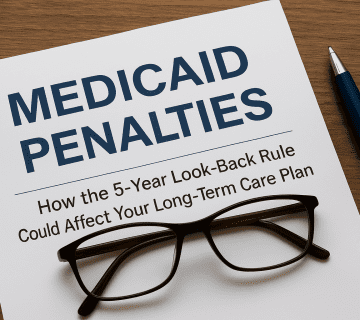
One of the most misunderstood aspects of Medicaid planning is the five-year look-back period. As part of the eligibility process, Florida Medicaid evaluates financial transactions occurring within the five years before application to identify any transfers made below fair market value.
If improper transfers are identified, Medicaid may impose a penalty period during which benefits are unavailable. However, this does not mean planning options are exhausted once the look-back period has begun.
What Can Be Done When Planning Starts Late?
Even when long-term care is imminent, specific strategies may still be available, depending on circumstances. These may include:
- Converting countable assets into exempt resources
- Strategic spending on care, housing, or debt
- Proper structuring of income for eligibility purposes
- Coordinating legal documents to align with Medicaid rules
Each situation is unique, and improper actions can worsen eligibility outcomes. This scenario is why Medicaid planning should never be attempted without professional guidance.
The Importance of Proper Legal Documents
Late-stage Medicaid planning often intersects with estate planning and elder law concerns. Outdated or missing documents can create complications during eligibility reviews or medical decision-making.
Key documents may include:
- Durable powers of attorney with Medicaid planning provisions
- Health care surrogates and living wills
- Updated wills or trusts aligned with Medicaid goals
Without these tools, families may face unnecessary court involvement or delays during critical moments.
Coordinating Medicaid Planning With Estate and Tax Considerations
Medicaid planning does not occur in isolation. Decisions made to qualify for benefits can impact estate distribution, tax exposure, and surviving family members.
Florida seniors benefit most from integrated planning that considers:
- Long-term care needs
- Asset preservation
- Tax consequences
- Family dynamics and caregiving responsibilities
This coordinated approach reduces risk and promotes stability during later stages of life.
A Practical Perspective for Florida Families
Late planning does mean no planning. Even when retirement has passed, and care needs are increasing, Florida seniors and their families still have options, provided those options are approached carefully and lawfully. The key is acting before crisis decisions are made, rather than reacting after eligibility issues arise.
Medicaid planning after retirement requires precision, timing, and an understanding of Florida-specific rules. While early planning offers more flexibility, responsible strategies may still be available later in life. Families facing long-term care decisions should seek professional guidance to avoid missteps that can affect both eligibility and financial security.